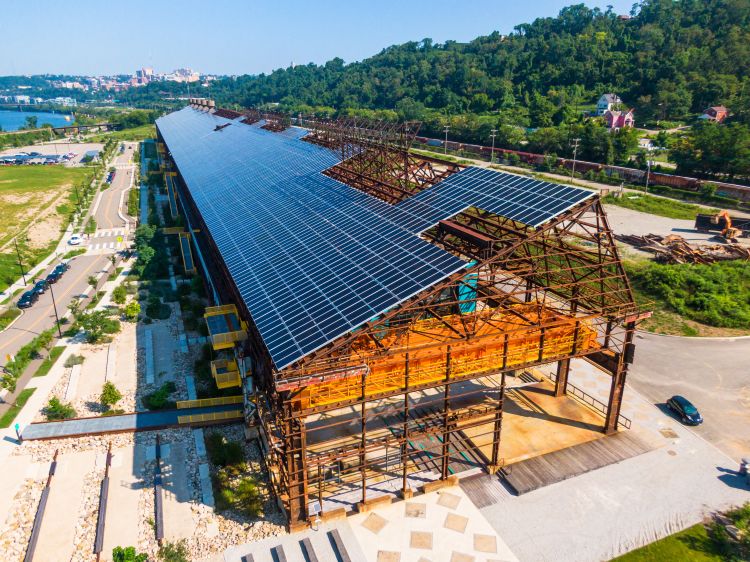
Deindustrialization hit the Rust Belt hard, causing many communities to face endemic poverty, crime, and an opioid crisis. Despite common challenges, the response of communities has varied. Some, such as Pittsburgh, have rebounded, whereas others have made progress before falling behind. Some seem trapped in a vicious cycle of unemployment, addiction, and crime. Even in success cases, there are important challenges arising from dislocations and displacement, particularly in lower-income communities experiencing increasing investment. The Rust Belt Initiative hypothesizes that governance contributes to the response of communities and the ability to overcome the despair associated with large-scale economic change, including challenges arising from groups migrating to seek new opportunities. With this hypothesis in mind, the initiative seeks to develop measures of governance using both quantitative and qualitative measures, as well as combining large-scale surveys with ethnographic and case studies, to understand what policies and institutions are closely associated with successful recovery from challenges due to changing economic conditions.
By comparing communities, the initiative seeks answers to crucial questions about the Rust Belt’s transformation, such as the relationship between deindustrialization and political attitudes, the gap between urban and rural communities, the impact on predominantly Black communities, and the effectiveness of policies encouraging small business entrepreneurship. Additionally, the research examines how Rust Belt communities have embraced the internet revolution, addressed the digital divide, and coped with the challenges posed by COVID-19. The Center’s premise is rooted in the belief that economic well-being barriers can be overcome when institutions provide economic freedom and political opportunities, utilizing a comparative approach that combines statistical indicators with field research to empower communities to share their unique stories.
WINIR 2024 Conference, September 19, 2024
This conference will explore the resilience of governance systems and their ability to respond to and recover from crises such as economic downturns, political instability, and environmental calamities.
WINIR 2024 Young Scholars Pre-Conference Workshop, September 18, 2024
This workshop is designed to support emerging scholars by providing them with a platform to present their research, receive feedback from experienced academics, and engage in discussions that explore how institutional theory can help societies with deep cultural and political differences coexist peacefully and thrive.