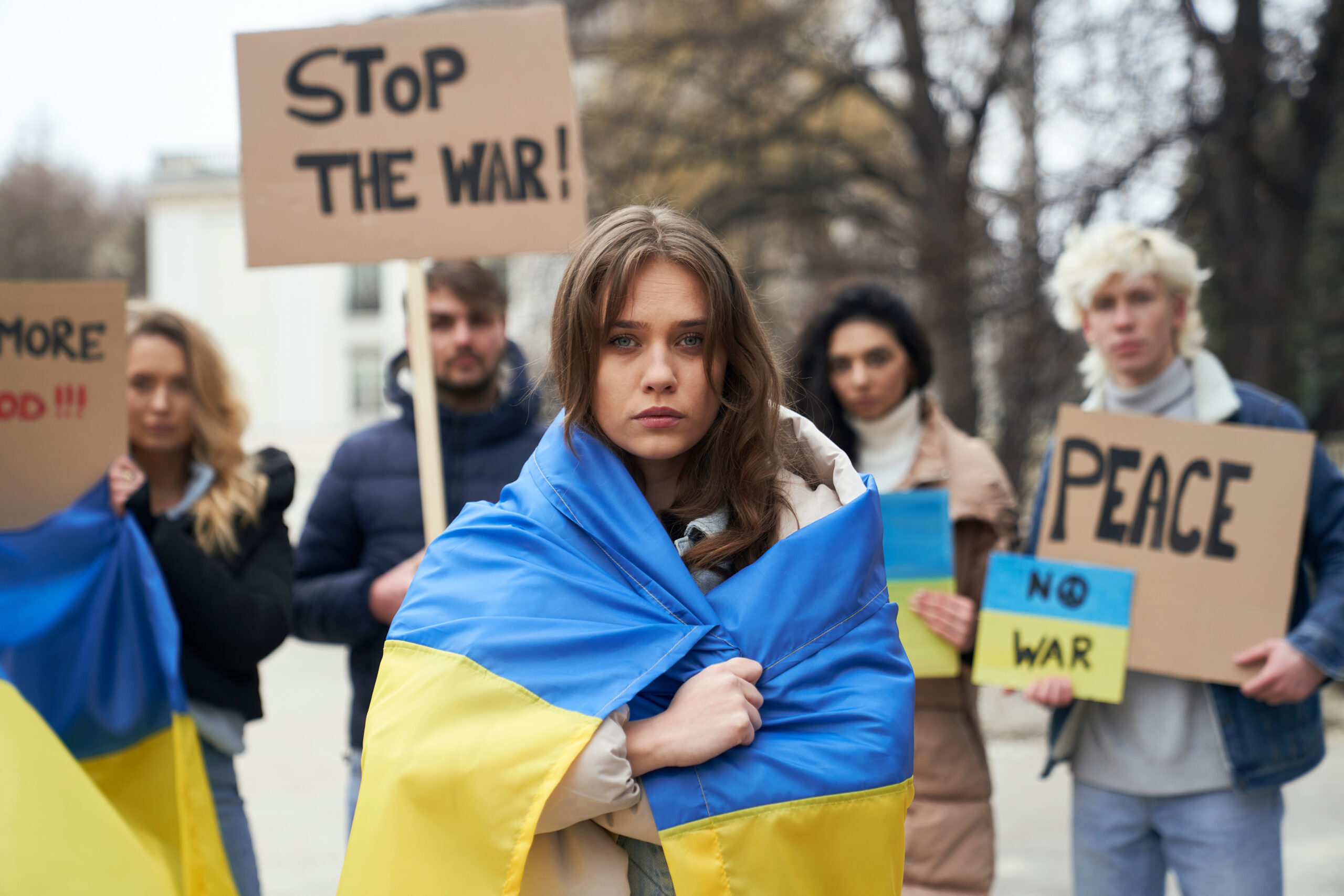
Governing Deep Differences asks one of the most pressing questions of our time: how can communities divided by religion, ethnicity, language, or political outlook live together peacefully? In the US and around the world, people face profound disagreements over identity, belief, and belonging, yet must still find ways to share institutions, solve common problems, and sustain cooperation. This project brings together scholars from political science, philosophy, public administration, and economics to examine the institutions, practices, and norms that allow diverse communities to coexist, from fragile post-conflict settings to established democracies. Our approach emphasizes solutions that move beyond zero-sum politics and explore the way modus vivendi arrangements, pluralism, and institutional diversity can serve as pathways to stability and flourishing.
Through original research, workshops, fellowships, and dialogue, this initiative builds a global community of scholars and practitioners committed to bridging theory and practice, with the aim of providing insights that can guide policymakers, community leaders, and citizens confronting the realities of deep difference in their own societies.
2025 Pittsburgh Global Forum, August 29, 2025
A one-day event on governance and global affairs, focusing on Overcoming Deep Differences and strategies for rebuilding trust in divided communities.
Resilience and Resistance: Afghan Women’s Fight Against the Taliban and the Role of Global Economic Sanctions, December 2, 2024
Hasina Jalal (University of Pittsburgh) presents her research on Afghan women’s social movements and resilience under Taliban rule.
Environmental Diplomacy During Crises: A View from Israel and Palestine, December 2, 2024
Tareq Abu Hamed discusses environmental diplomacy and the role of science in fostering relationships across the Middle East. This project brings together Israeli, Palestinian, Jordanian, and international students to protect fragile shared environmental resources, eliminate conflict over these scarce natural resources, and serve as a model for constructive peacemaking.
You Can't Buy Hope, So Where Can You Find It, November 19, 2024
Rabbi Jeffrey Myers shares reflections on resilience and his message that love is stronger than hate following the Tree of Life tragedy.
The Dynamics of Ukraine’s Decentralized Crisis Response During the Full-Scale Russian Invasion, November 13, 2024
Oleksanda Keudal examines how local authorities in Ukraine have mobilized resources, knowledge, and institutional innovations to handle war-related crises from 2022 to 2024.
Losing Hearts and Minds: Ethnicity and Civilian Targeting in Myanmar’s Civil War, November 6, 2024
Kamran Hakiman investigates why states use indiscriminate violence against some civilian populations following guerrilla attacks but not others, focusing on Myanmar’s post-coup civil war.
We Have Never Been Woke: The Cultural Contradictions of a New Elite, November 4, 2024
Al-Gharbi explores how the rise of “symbolic capitalists”—professionals in fields like education, media, law, and NGOs—contribute to social and economic inequalities, despite commitments to social justice.
Who Fills the Seats? Publicly Employed Women in Russian Municipal Politics, October 30, 2024
Valeria Umanets explores women’s participation in Russian municipal politics and their role in stabilizing authoritarian governance by enhancing the delivery of essential welfare services. The research draws on interviews with municipal representatives, fieldwork observations, and electoral data analysis.
Navigating Modernity: Contemporary Religiosities of Muslim and Druze Students in Israel, October 21, 2024
Sawsan Kheir examines how young adult Muslim and Druze university students in Israel navigate the interaction between their religious beliefs and contemporary societal norms.
The Judeo-Islamic Tradition: A Forgotten Story, October 16, 2024
Mustafa Akyol addresses historical episodes of coexistence and collaboration between Jewish and Muslim communities, drawing attention to how these experiences can inform current perspectives on governance and pluralism.
Overcoming Polarization: Beginning with How We Think, October 10, 2024
Ilana Redstone presents her book The Certainty Trap: Why We Need to Question Ourselves More and How We Can Judge Others Less. Co-hosted by the Year of Discourse and Dialogue, the Institute of Politics (IOP), and All Angles at GSPIA, students are encouraged to engage in a thoughtful conversation on how we can overcome polarization by rethinking our approach to certainty and judgment.
Bohemia, Prague, and Franz Kafka – Intercultural Contexts in Central Europe, October 8, 2024
Steffen Höhn explores Franz Kafka’s work in relation to the cultural and political dynamics of Bohemia and Prague.
Back Roads and Better Angels: A Journey Into the Heart of American Democracy, September 18, 2024
Frank Barry discusses his new book, Back Roads and Better Angels: A Journey Into the Heart of American Democracy, which explores America's deep political and cultural divides through a reflective journey along the Lincoln Highway.
Workshop: Local Governance and the Path to Peace in Myanmar, September 12, 2024
This event is a timely response to the rapidly evolving situation in Myanmar, aiming to foster discussions and strategies for resolving long-standing conflicts and building trust among diverse ethnic and regional groups in the country.
Harnessing Religion for Social Cohesion: Managing Ethnic Diversity in Haifa, April 28, 2024
Uriel Simonsohn discusses the role of interreligious dialogue in mitigating conflict and fostering coexistence in Israel’s mixed cities.
America Last: The Right's Century Long Romance with Foreign Dictators, March 28, 2024
All the Kingdoms of the World: Radical Religious Alternatives to Liberalism, March 7, 2024
Freedoms Delayed: Political Legacies of Islamic Law in the Middle East, March 4, 2024
Powerlessness and Populism: Does America Need a New Governing Vision?, March 1, 2024
Two Cheers for Optimism: Liberal Democracy, Its Critics and Virtues, February 12, 2024
A Political Theory of Governance of Diversity, January 30, 2024
The Identity Trap, January 20, 2024
Rebel and Incumbent Law and the Durability of Post-Civil War Peace, December 4, 2023
Iran: Stoking Divides in the Middle East, November 29, 2023
Identity and Security in the Black Sea Region, September 13, 2023

Call for Grant Proposals: Governing Deep Differences Grant Program, August 8, 2024
The Center for Governance and Market at the University of Pittsburgh is inviting proposals for research projects that align with the project, Governing Deep Difference: Modus Vivendi, Polycentrism, and Institutional Diversity.
Freedoms Delayed: Political Legacies of Islamic Law in the Middle East, July 8, 2024
Dr. Timur Kuran explores the lasting political effects of the Middle East's lengthy exposure to Islamic law.
Agora Fellowships Available to Advanced PhD Students at Pitt, March 6, 2024
We're seeking advanced doctoral students for PhD research fellowships for the 2023-2024 academic year.
Modus Vivendi, Polycentrism, and Institutional Diversity: Reading Workshop, March 6, 2024
The Center for Governance and Markets invited scholars to discuss readings that serve as the theoretical and empirical foundations of the project, Governing Deep Differences.